Preventing meniscus problems: The importance of stability on the work floor
November 11, 2025
Meniscus problems can have a significant impact on your daily functioning, especially if you have a job that involves a lot of standing, walking, or kneeling. Stability on the work floor is crucial to prevent meniscus problems and keep your knees healthy.
What is a meniscus problem?
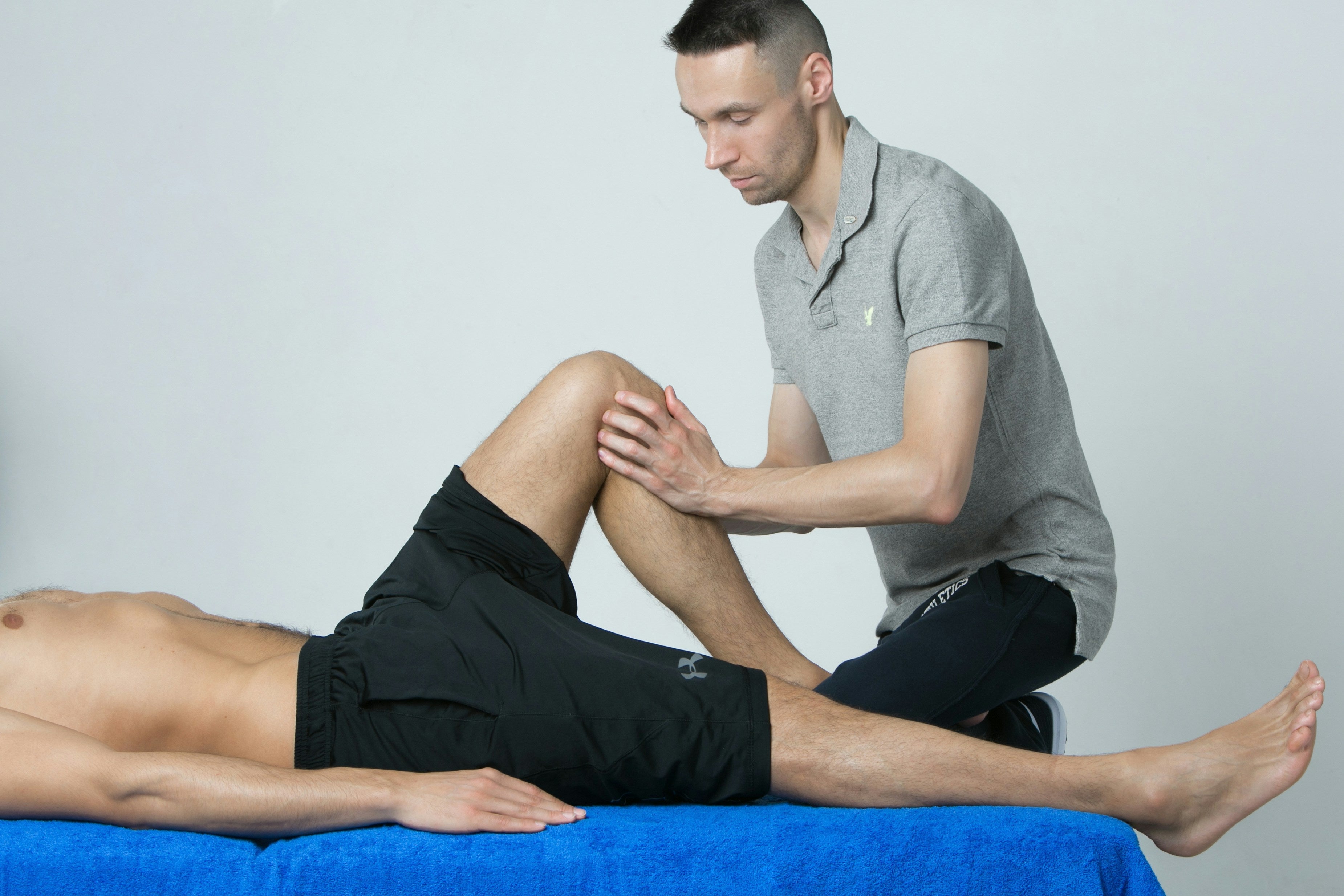
The meniscus is a C-shaped piece of cartilage in the knee that acts as a shock absorber and provides stability. Meniscus injuries often result from a combination of factors, including:
- Twisting of the knee
- Direct contact or a fall
- Heavy loading
- Age-related wear
On the work floor, certain movements and postures, such as frequent kneeling, squatting, lifting, and turning, can place heavy strain on the menisci and increase the risk of injury. A systematic review and meta-analysis shows that kneeling, squatting, climbing stairs, and lifting heavy weights are significantly associated with the development of meniscus injury.
Stability as prevention
Stability in the knee is essential to prevent excessive strain on the menisci. You achieve this through:
- Strong muscles: Quadriceps, hamstrings, and calf muscles support the knee.
- Good posture: Avoid unnecessary pressure on the knees.
- Suitable footwear: Shoes with good support and cushioning absorb shocks.
Risk factors on the work floor
A number of risk factors on the work floor can contribute to the development of meniscus problems:
- Repetitive movements: Think frequent bending, lifting, or turning.
- Prolonged standing: Especially on hard surfaces.
- Accidents: Slipping, falling, or bumping into things.
- Poor ergonomics: An improperly set up workspace.
Preventive measures
To prevent meniscus problems, there are several measures you can take:
- Ergonomic adjustments: Ensure good working posture and an efficient layout of your workspace.
- Regular breaks: Stand up regularly, stretch your legs, and walk around a bit to stimulate circulation.
- Knee protection: Wear knee pads for tasks that involve a lot of kneeling.
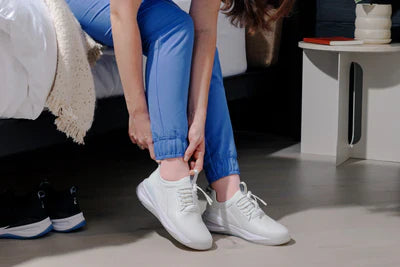
- The right care sneakers: Choose shoes that offer sufficient support and stability. Good care sneakers can reduce the impact on your knees and help prevent injuries. Take a look, for example, at the Forte collection, which offers maximum cushioning and stability.
- Exercises: Do regular exercises to strengthen the muscles around your knees and improve your flexibility. Think squats, lunges, and hamstring curls.

The importance of the right shoes
Your care sneakers form the basis for good posture and stability. Shoes with insufficient support can lead to overpronation, where the foot tilts too far inward. This can trigger a chain reaction that puts strain on the knees, hips, and back.
So choose care sneakers that:
- Provide sufficient arch support.
- Have a firm heel cup for extra stability.
- Have good cushioning to absorb shocks.
- Have a non-slip sole to prevent slipping.
GoClove care sneakers are specially designed for people who stand and walk for long days. They offer the right combination of support, cushioning, and comfort to relieve your knees and prevent meniscus problems.